
Last updated August 26, 2026
Free on-site gate assessment - hinges, posts, and your LiftMaster or Nice gate operator checked before anything is quoted
The assessment is free and the quote is the invoice.
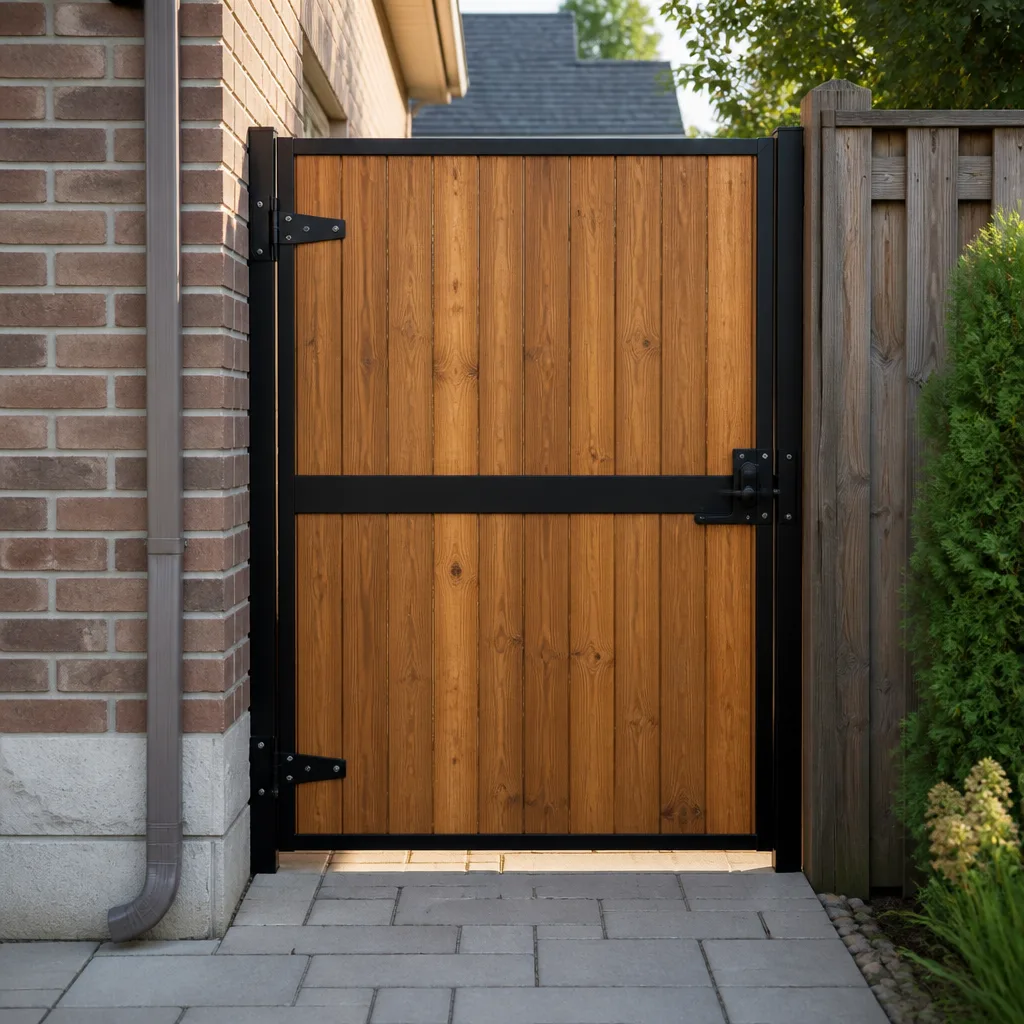
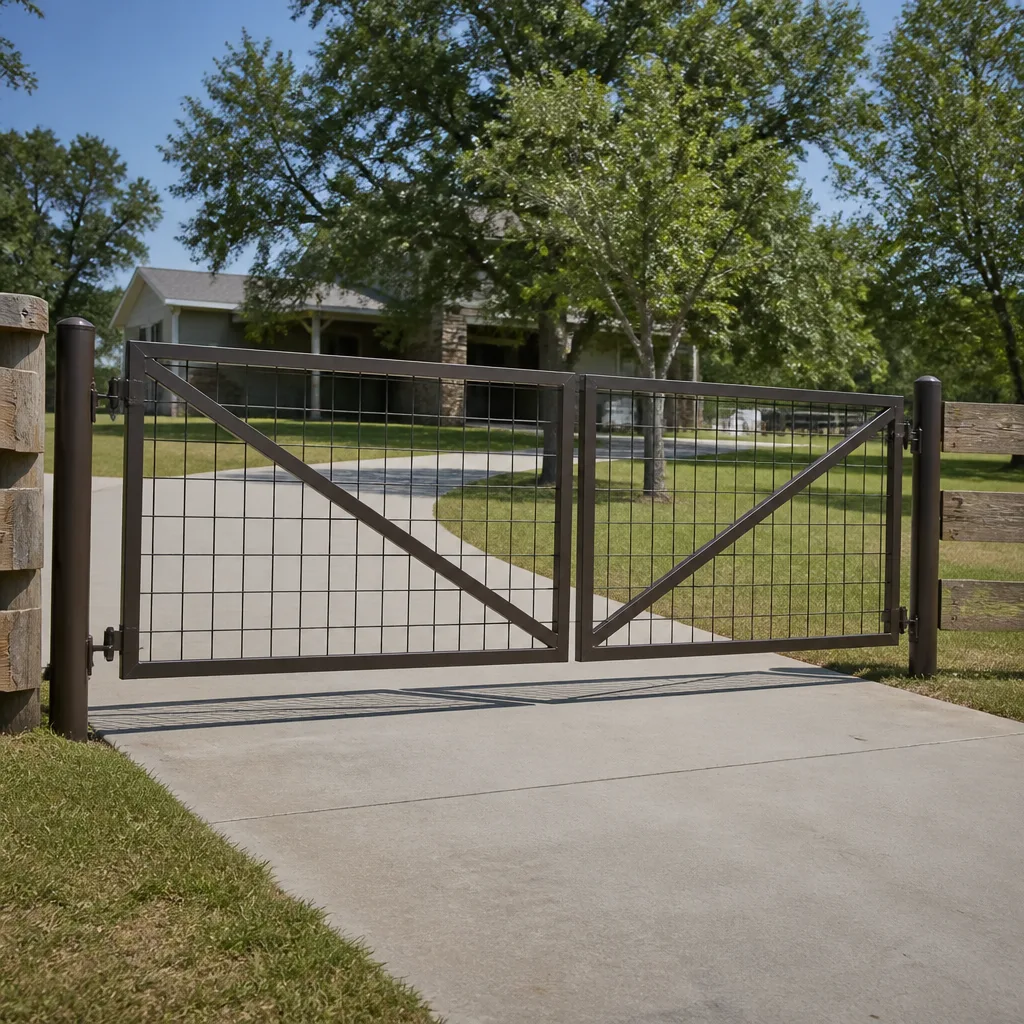
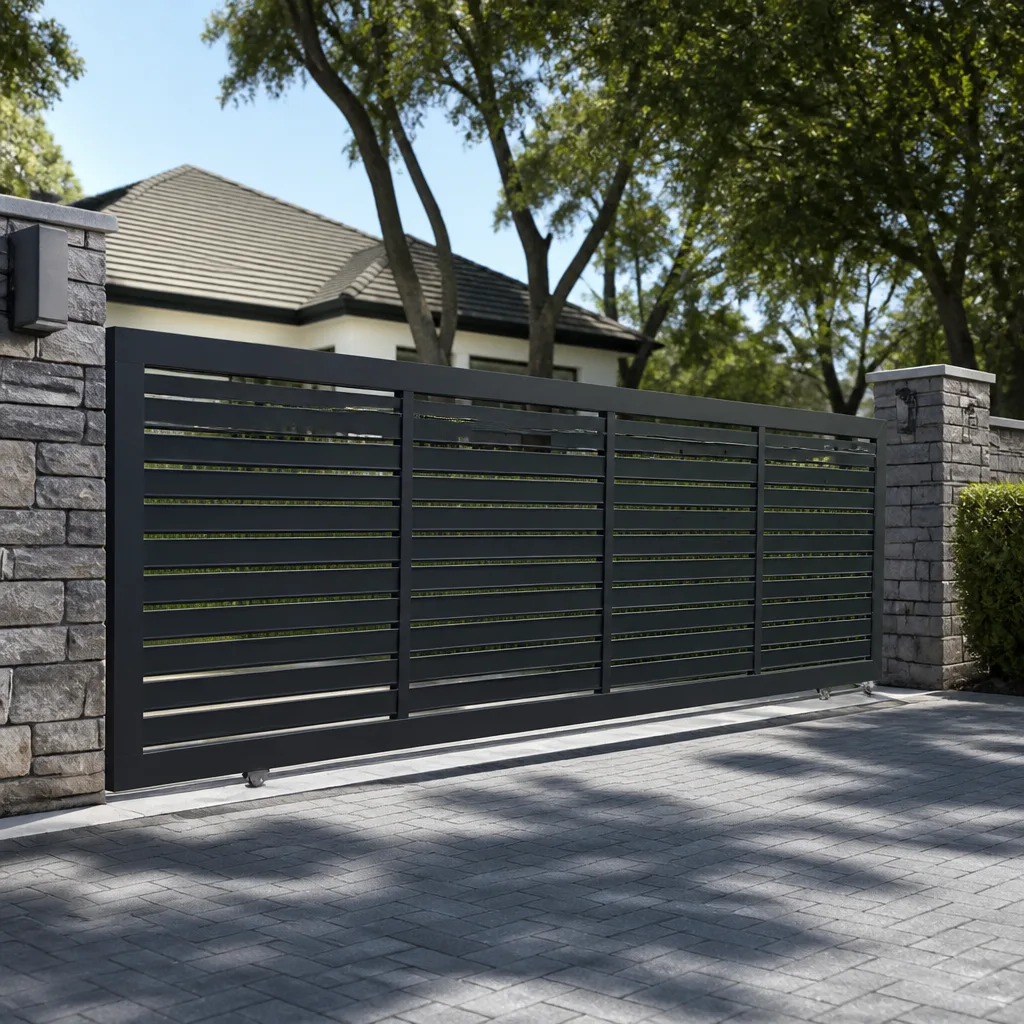
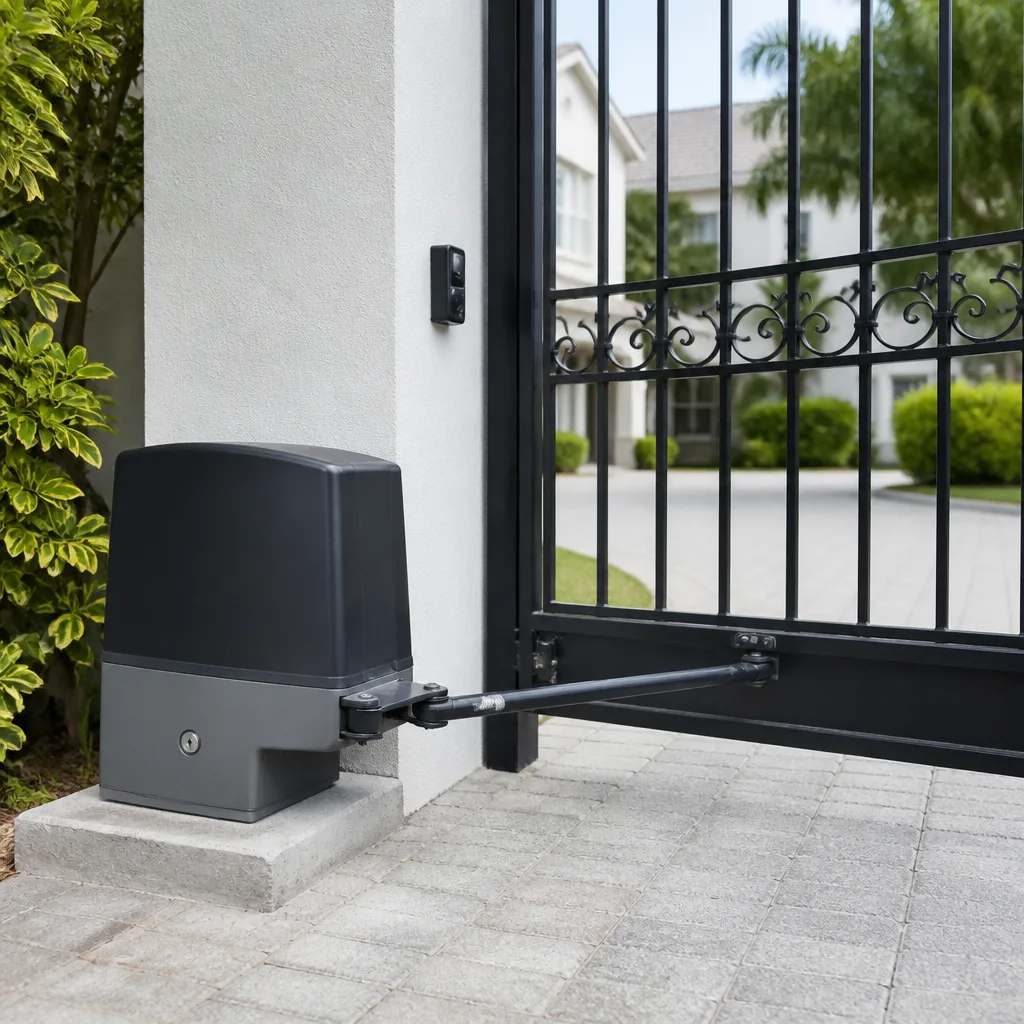
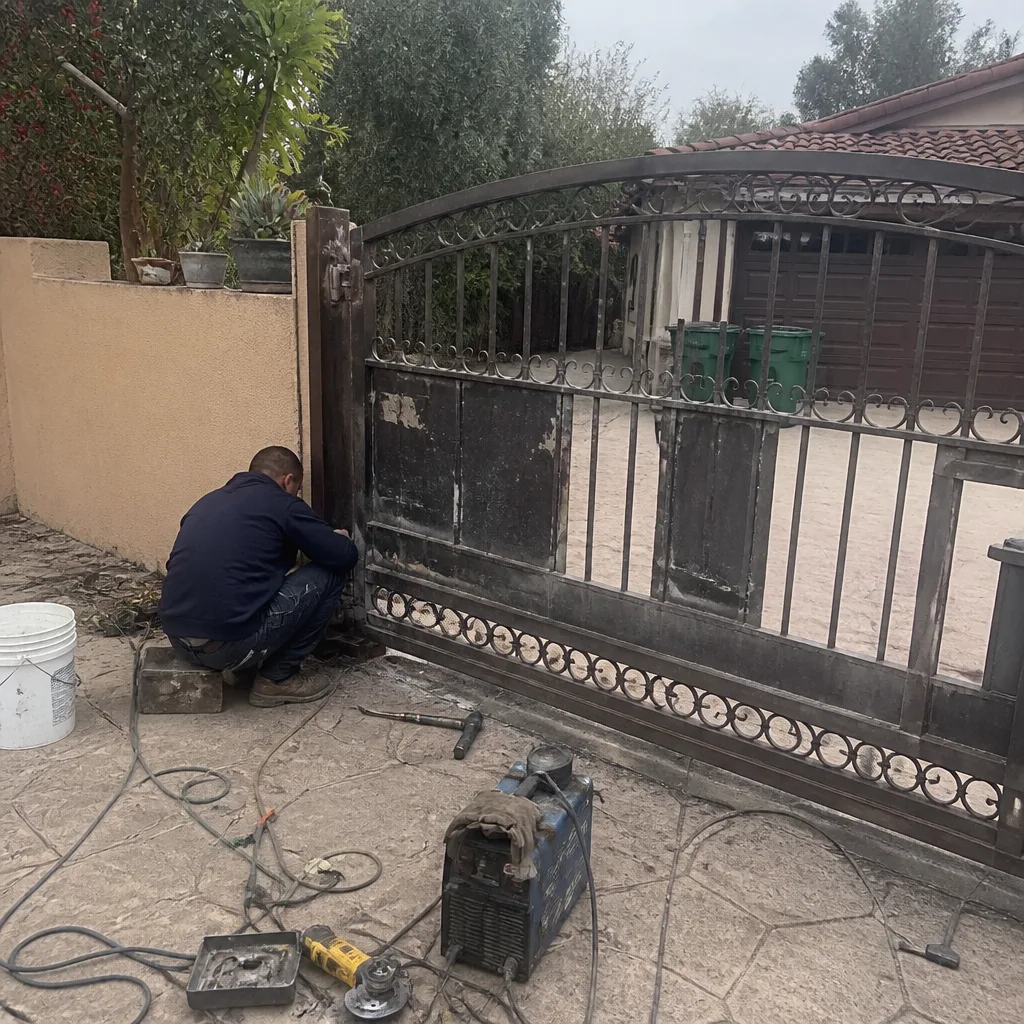 Before
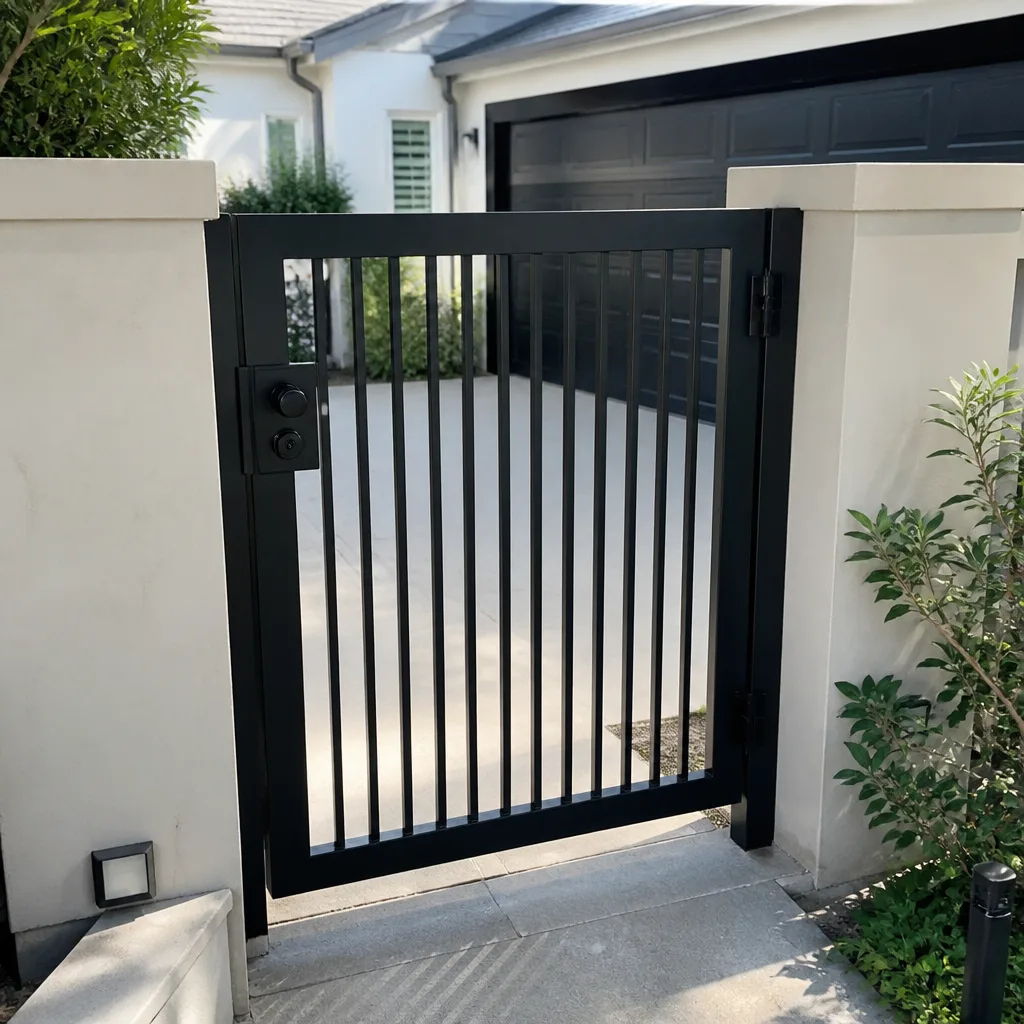 After
After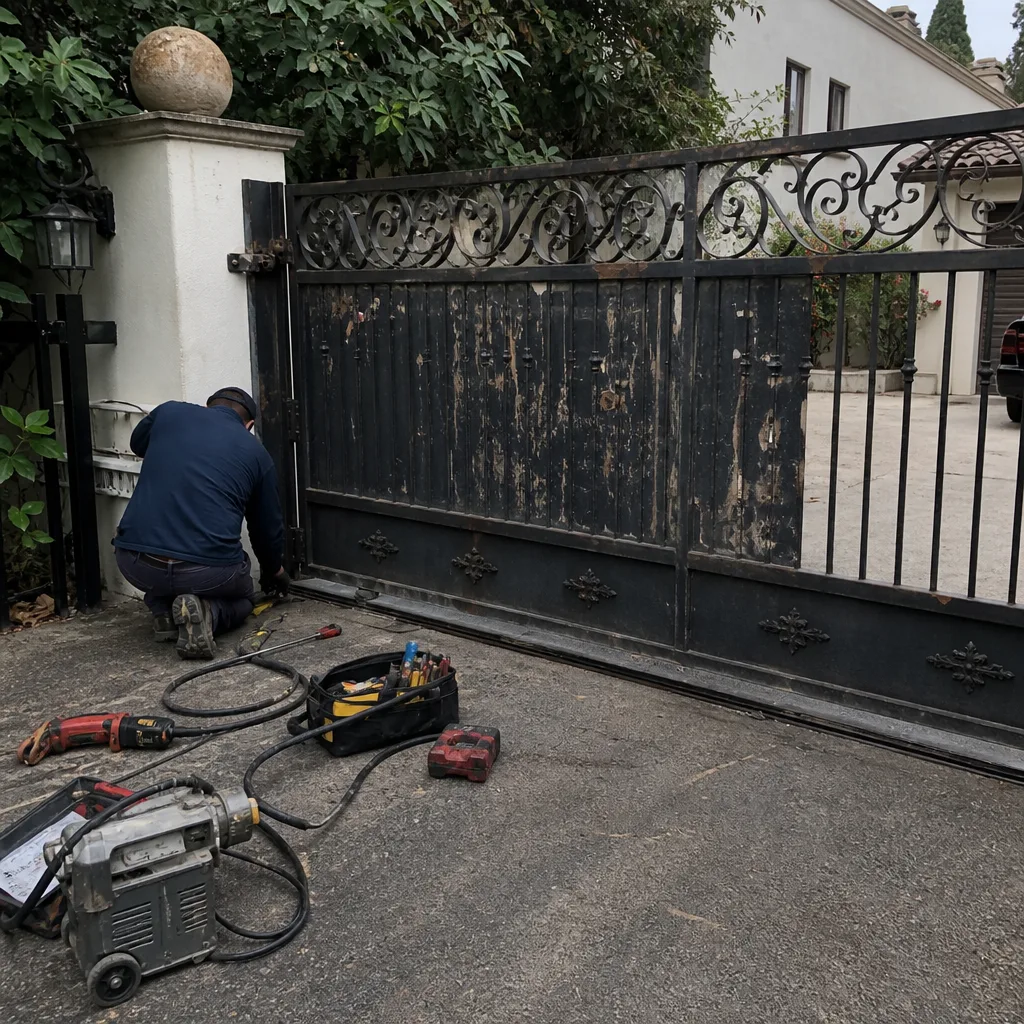 Before
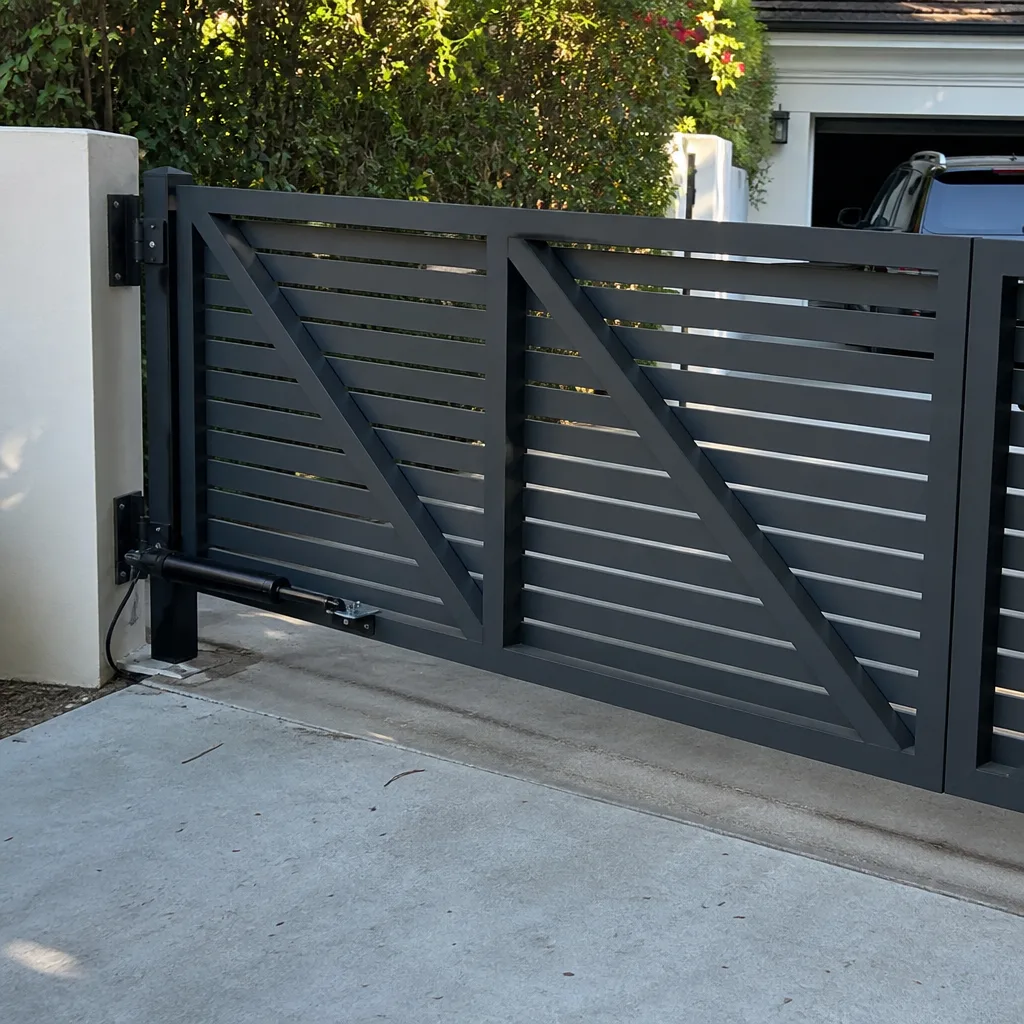 After
After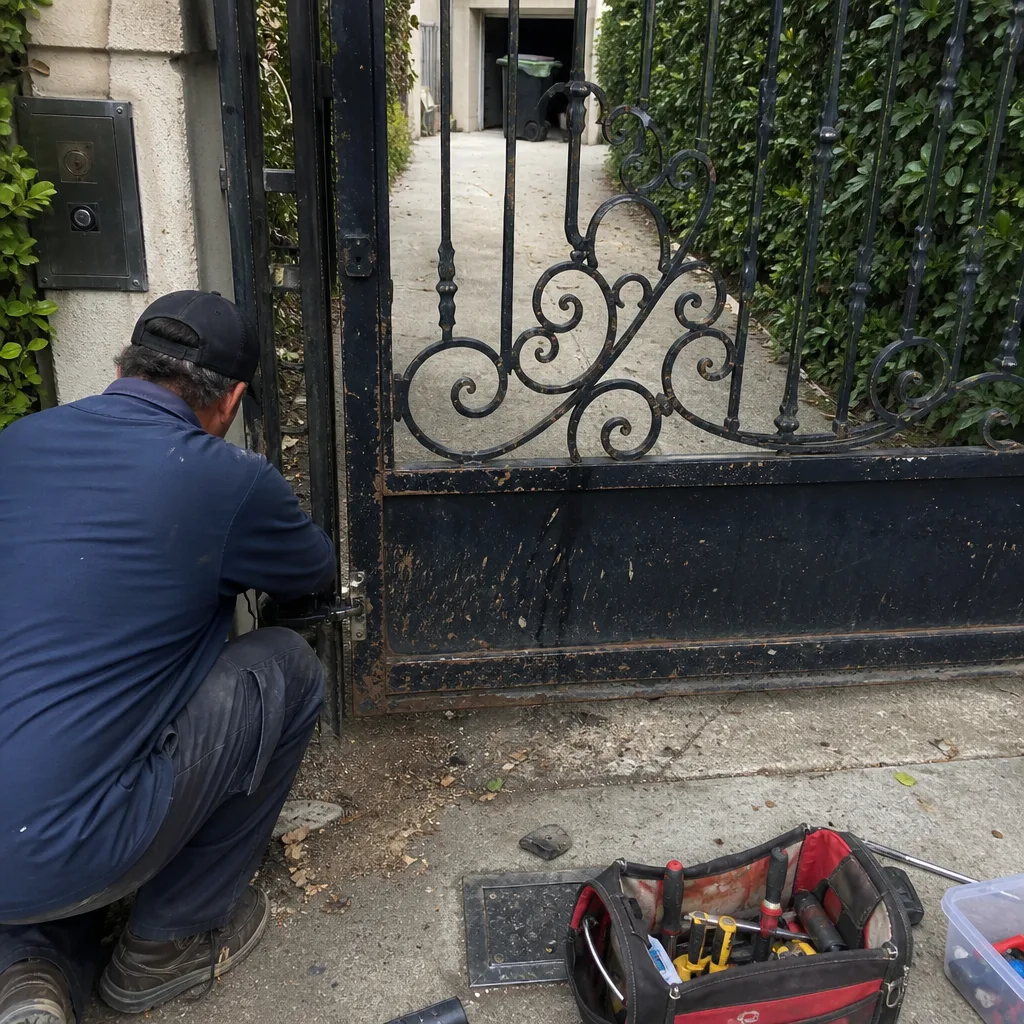 Before
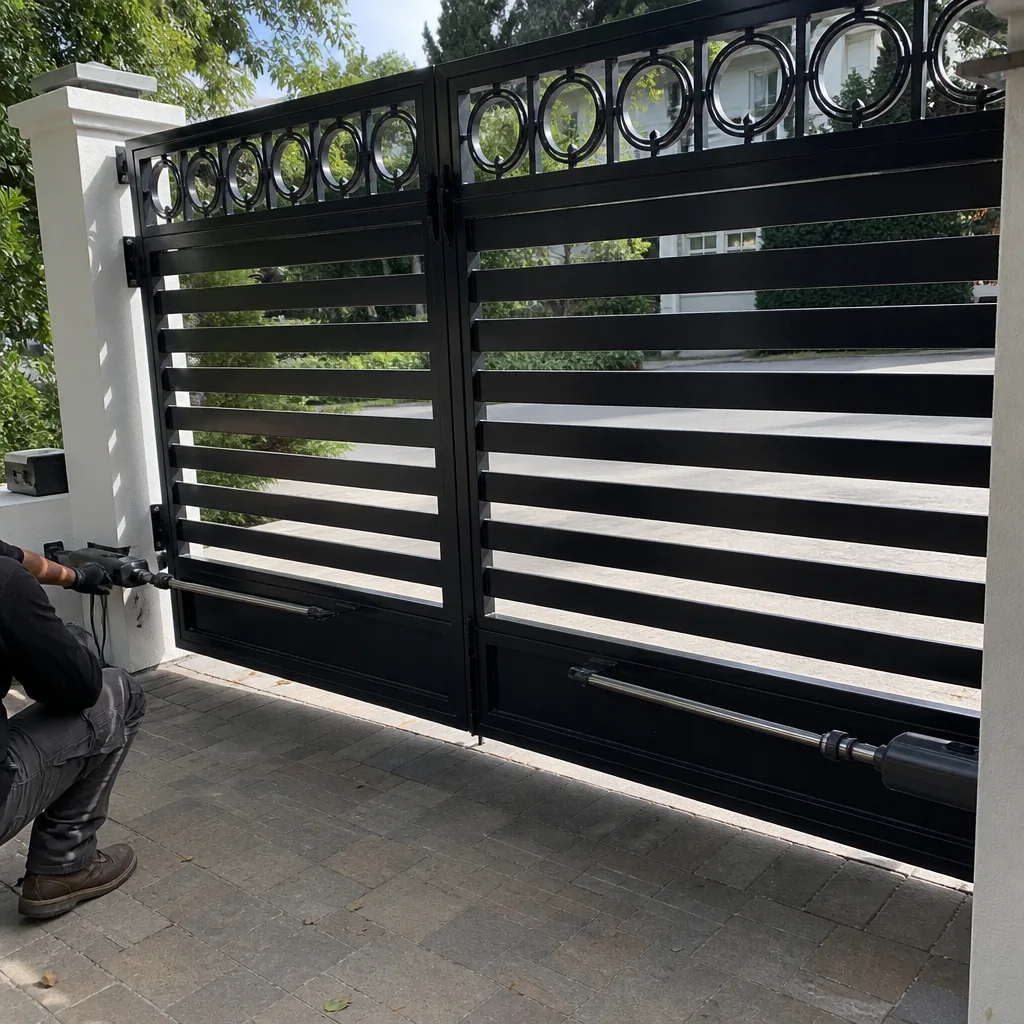 After
AfterThe Complete Guide to Gate Repair in Beverly Hills
The gate that suddenly “just stopped working” almost never stopped suddenly. There were months of small signs: a pause before the motor kicked in, a scrape against the driveway, a gate that closed a little slower each week. Nobody noticed because gates fail quietly, and by the time they fail loudly, the repair bill has usually doubled. This guide works backward from the failure to the fix, and you can find more guides & resources on our blog. You’ll learn how Beverly Hills gates actually break, what the early warning signs mean, and why understanding the root cause matters more than any repair checklist. If you own a gate in Beverly Hills, this is the guide that will save you from paying for the same repair twice.
Quick Answer
Our Gate Repair services in Beverly Hills typically cost between $180 and $950 depending on whether the problem is a misaligned safety sensor, a worn hinge, a failed limit switch, or a structural post issue. Most repairs take one to three hours, and the most expensive failures are almost always caused by problems that could have been caught months earlier. Understanding why gates fail, and reading the early signs, is the single most effective way to keep repair costs down.
Table of Contents
- Why Gates Fail in Beverly Hills
- How Beverly Hills Soil and Hillside Grades Stress Gate Posts
- The Predictable Sequence of Gate Operator Failure
- Cosmetic Weld Patch vs. Structural Weld Repair
- How to Read a Gate’s Wear Pattern Like a Mechanic Reads Tire Wear
- What a Written Diagnosis Tells You About a Gate Company
- Repair or Replace: How to Decide
- Common Mistakes to Avoid
- When to Call a Professional
- Frequently Asked Questions
- The Bottom Line
Why Gates Fail in Beverly Hills
Most Beverly Hills gate failures trace back to three or four root causes that compound over time. A gate is a mechanical system, not a single part. When one component starts to wear, it puts stress on everything else connected to it. The motor works harder, the hinges grind, the post leans, and eventually something gives. The failure looks sudden, but the cause was building for months.
Here’s the pattern we see over and over in Beverly Hills. First, the gate loses alignment, usually because a post has shifted or a hinge has worn. That misalignment forces the opener to work harder, which burns out the limit switches. The limit switch failure then burns out the control board, and before long the motor itself is gone. The original problem might have been a $200 hinge repair. By the time the motor dies, the bill is $1,200 or more. Fix the root cause early, and the motor never fails.
Beverly Hills’ combination of hillside lots, expansive soil, and older driveway gates means certain failure modes show up more frequently here than in flat-lot neighborhoods elsewhere. The hillside grade puts lateral stress on hinge posts. The soil expands and contracts with seasonal moisture, shifting posts a fraction of an inch each year. And many of the gates in Beverly Hills were installed decades ago with post footings that would not pass code today. Those three factors account for more gate failures in this area than any brand defect or manufacturing issue.
How Beverly Hills Soil and Hillside Grades Stress Gate Posts
A gate sags in the hinge post, not in the middle, and that is where we start. Every gate panel is a lever. The farther the panel extends from the hinge post, the more torque it applies to that post. On a flat lot, that torque is manageable if the post was set in enough concrete. On a hillside lot in Beverly Hills, the grade itself adds a second force: gravity pulling the gate downhill, away from the post, every single day.
The soil in Beverly Hills makes this worse. Much of the area sits on expansive clay that swells when wet and shrinks when dry. A post set in a 24-inch hole with a bag of quick-set concrete will move. Not visibly at first, but a quarter-inch of post lean at ground level becomes an inch of gate drop at the latch side. That drop is why your gate suddenly starts dragging on the driveway or scraping the catch.
Before the collapse, the signs are consistent. You will see a widening gap between the gate and the post at the top, a latch that no longer lines up with the strike plate, and a gate that swings too freely toward the downhill side. The gate may also bounce when it closes, because the post has lost its stiffness and is flexing under load. If you catch these signs early, the fix is usually a post re-set or a structural brace. If you ignore them, the post can crack, the gate can drop, and the repair becomes a full replacement.
Fix the panel without the post and you will fix it twice.
The Predictable Sequence of Gate Operator Failure
Electric gate operators fail in a predictable sequence: limit switches before boards, boards before motors. Understanding that sequence means you can identify what stage your opener is in without calling anyone, and you can decide whether a repair is worth doing or whether the motor is already condemning itself.
Here is the sequence, step by step:
- Limit switch failure. The limit switches tell the opener where to stop. When they wear out, the operator overshoots the open or close position and then reverses, or it stops mid-travel. You will hear the motor run longer than it should, and the gate may bounce or chatter at the end of travel. This is the cheapest stage to fix, typically a $180 to $300 repair.
- Control board failure. When the limit switches stop communicating, the control board takes the hit. It keeps sending power to a motor that is being asked to work against a gate that no longer stops where it should. Boards fail within six to eighteen months of untreated limit switch failure. A board replacement in Beverly Hills usually runs $350 to $600, depending on the brand.
- Motor failure. If the board is replaced without fixing the underlying limit switch issue, the motor will eventually burn out, and that is the expensive one. Motor replacement can run $600 to $1,200, and on some older openers, the motor is no longer available, which means a full operator replacement. That is a $1,500 to $2,500 job.
Here is how to tell which stage you are in without opening the panel. If the gate still moves but stops in the wrong place or reverses at the end of travel, you are likely at stage one. If the gate intermittently refuses to respond to the remote, or the lights flash but nothing moves, that points to the board, stage two. If the motor hums but the gate does not move, or the opener is completely dead with power confirmed to the unit, you are at stage three.
In Beverly Hills, we service LiftMaster, FAAC, BFT, Linear, Viking, and several other brands. The failure sequence is the same across all of them. The difference is parts availability and cost. FAAC and BFT parts tend to run slightly higher than LiftMaster or Linear, but the repair logic does not change.
Cosmetic Weld Patch vs. Structural Weld Repair
Here is the difference between a cosmetic weld patch and a structural weld repair, and why one costs $200 and the other saves you $4,000. A cosmetic weld covers the crack. A structural weld restores the load path. They are not the same thing, and the gate industry is full of companies that will sell you the first while calling it the second.
A cosmetic patch is what you get when a weld is run over a crack without first addressing the cause of the crack. It looks fine for a month. Then the crack propagates right next to the weld, because the underlying stress was never relieved. The panel is still carrying weight it was not designed to carry, the post is still flexing, or the hinge joint is still sloppy. The patch holds until it does not, and when it fails, the gate often drops harder than it would have originally.
A structural repair starts with diagnosing why the metal failed in the first place. We remove the load from the joint, grind out the crack to clean metal, and then rebuild the connection with proper reinforcement. Sometimes that means a gusset plate. Sometimes it means re-setting the hinge post before touching the panel. The goal is not to make the crack disappear. The goal is to make the gate stronger than it was before it cracked.
On-site welding matters here. We weld the gate in your driveway, which means we can test the repair under the actual load conditions of your gate, your post, and your slope. A gate that has been hauled back to a shop gets repaired on a bench and reinstalled without ever being tested in place. That is how you end up with a second failure six months later.
A proper structural weld repair on a driveway gate in Beverly Hills typically runs $300 to $800, depending on the extent of the damage and the amount of reinforcement required. A gate replacement runs $4,000 to $8,000. The math is not complicated if someone explains it honestly.
How to Read a Gate’s Wear Pattern Like a Mechanic Reads Tire Wear
Mechanics read tire wear because the pattern tells them what is wrong with the car before they ever lift it. Gates work the same way. Dragging, bouncing, and slow-close each point to a different root cause, and knowing the difference means you can describe the problem accurately over the phone and avoid paying for a diagnostic that a five-minute visual inspection would have answered.
Here is what each pattern means:
- Dragging on the driveway. The gate scrapes or gouges the concrete at the latch end. This means the hinge post has leaned, the hinges have worn, or both. The panel has dropped, and no amount of opener adjustment will fix it. The fix is post re-setting or hinge replacement, not opener work.
- Bouncing when it closes. The gate shudders or bounces at the end of travel instead of closing smoothly. That is usually a loose post or a worn bottom track glider. The opener is fighting a gate that is flexing under load. Left alone, it will burn out the limit switches, and then the board.
- Slow close. The gate moves at half speed for the last few feet of travel, or the motor sounds like it is laboring the whole way. On a swing gate, that points to hinge resistance or post friction. On a slide gate, it usually means the track or rollers are failing. The opener is working too hard, and working too hard kills motors.
- Choppy movement. The gate starts and stops in little jerks instead of moving smoothly. That is often a capacitor or a gearbox issue in the opener, and it is worth addressing quickly because the electrical load spikes with every jerk.
- Latch side gap. The gate latches but there is visible daylight between the gate and the strike post at the top or bottom. That is post movement, full stop. The hinge post has shifted, and the gate is no longer square. Every other symptom above will follow if this is not corrected.
Show me the gate closing on its own and I’ll show you where it’s failing. That is not a boast. It is an observation about how consistently gates telegraph their problems.
What a Written Diagnosis Tells You About a Gate Company
Here is a question that separates honest gate companies from the rest: will they give you a written diagnosis before they give you a quote? Not just a verbal explanation of what they found, and not just a line item on an invoice. A written diagnosis that says what failed, why it failed, and what the repair will address.
The answer tells you everything. A company that refuses to put the diagnosis in writing is either unsure of its own findings or planning to charge you for work that was never needed. A company that hands you a quote with no diagnosis behind it is asking you to trust them on faith. Faith is fine for some things. A four-thousand-dollar gate repair is not one of them.
At Gatewood Fence & Gate home, every estimate starts with a diagnosis, and the diagnosis goes in writing before any price is discussed. You get to keep the paperwork whether you hire us or not. That is how we have worked since we started this company in 2001, and it is one of the reasons people in Beverly Hills keep our number.
The diagnosis matters for another reason: it is your protection against the repair-first philosophy that has taken over the gate industry. A company that wants to sell you a new gate will never write down that your existing gate could have been fixed with a $400 hinge replacement. A company that writes the diagnosis in ink has already committed to the truth.
Repair or Replace: How to Decide
The honest answer is that most gates should be repaired, not replaced. A steel or wrought iron gate is a structural assembly. It does not wear out the way a car wears out. The metal can last fifty years if the posts stay set and the hinges stay tight. The opener is a different story: most operators have a service life of ten to fifteen years, and at a certain point, repairing an old opener is throwing money at a motor that is already on borrowed time.
Here is the decision framework we use:
- Structural damage to posts or panel? If the post is cracked, rotted, or leaning more than an inch out of plumb, and the panel is badly twisted, replacement may be cheaper than repair. But if the post is solid and the panel is square, repair almost always wins.
- Opener age. If the opener is more than fifteen years old and parts are no longer manufactured, replace the opener. If it is under ten years and the failure is a limit switch or board, repair it.
- Repair history. If you have repaired the same failure twice in two years, the root cause was never addressed. Fix the root cause, or replace the component entirely.
- Safety compliance. If the gate does not meet current safety standards for entrapment protection, that is one case where replacement is not optional. Beverly Hills properties with older gates often lack the photo eyes and reversing edges required today.
For a deeper look at the repair side, see our full guide to Gate Repair in Beverly Hills. If you are weighing replacement, start with our Gate Installation in Beverly Hills page, which covers the full process from footing to finish.
Common Mistakes to Avoid
- Lubricating the wrong parts. Gate hinges have grease fittings; gate tracks do not. Putting grease on a slide gate track collects dust and grinds the rollers down. Use a dry silicone spray on tracks and gliders, not grease.
- Adjusting the opener instead of fixing the gate. When a gate drags, the fix is the hinge post, not the opener force setting. Crank up the force to push through the drag and the opener will fail within the year.
- Welding over a crack without relieving the load. A weld over a loaded crack is a zipper waiting to fail. The gate must be unloaded and supported before any structural weld is run.
- Replacing the board without fixing the limit switches. The board is the symptom, not the cause. Put a new board in a system with dead limit switches and you will replace that board again.
- Ignoring a slow gate. A gate that closes slowly is telling you something. By the time it stops moving entirely, the repair is three times what it would have been.
- Buying the cheapest opener online and hiring a handyman to install it. We have fixed enough of those installs to know the pattern. The wiring is wrong, the safety edges are missing, and the motor is burned out in six months.
- Not verifying the post footing before installing a heavier gate. Replacing a light aluminum gate with a heavy steel one on the same post is a collapse waiting to happen. The footing must be sized for the new load.
When to Call a Professional
Call a professional the moment the gate stops behaving the way it has for years. That means a new sound, a new hesitation, a new scrape, or a gate that no longer closes fully. Waiting does not make the repair cheaper. It makes it bigger.
Specific situations where you should call immediately: the gate is stuck open and will not close, the gate is stuck closed and you cannot get a car in or out, the opener is making a grinding or popping sound, the gate has dropped more than a half-inch at the latch end, or you see cracks in a weld or a hinge post. These are not minor. These are the failures that turn into four-figure repairs.
Gatewood Fence & Gate offers free estimates in Beverly Hills. Call (559) 844-6989 and a live person will answer. Not a recording, not a dispatch queue, not a sales script. A person who knows gates.
Frequently Asked Questions
Gate repair in Beverly Hills typically costs $180 to $950 depending on the failure. A limit switch replacement runs $180 to $300, a hinge replacement $200 to $400, a control board $350 to $600, and a structural weld repair $300 to $800. The price is quoted and agreed before any work starts, never after. Call (559) 844-6989 for an exact quote; estimates are free.
Yes, most gate repairs in Beverly Hills are completed the same day, often within a few hours of the first call. Simple repairs like limit switches, hinge replacements, and sensor alignments are usually done in one visit. We stock common parts for LiftMaster, FAAC, BFT, and Linear openers so we do not have to order and return. Call (559) 844-6989 and we will tell you honestly whether your repair is a same-day job.
We weld on site, which means the gate stays in your Beverly Hills driveway and is repaired under its actual load conditions. That matters because a gate welded on a bench has never been tested against your post, your slope, and your soil movement. We have been welding gates on site since 2001, and it is the only way to guarantee the repair actually holds.
We service nine major gate opener brands, including LiftMaster, FAAC, BFT, Linear, Viking, Ghost Controls, DoorKing, Elite, and Mighty Mule. If your opener is from a brand not on that list, call anyway. We will tell you honestly whether we can source the parts or whether you are better off with a replacement. The phone number is (559) 844-6989.
You know the post needs attention when the gate drops at the latch end, the gap between the gate and post widens at the top, or the gate bounces when it closes. A post that has moved less than an inch can often be re-set. A post that has cracked or rotted through needs replacement. The only way to know for sure is to dig down and inspect the footing, which we do before recommending anything. Call (559) 844-6989 for a free inspection in Beverly Hills.
Gate repair is covered by homeowners insurance only when the damage results from a covered peril, such as a vehicle collision, a falling tree, or vandalism. Wear and tear, post shifting from soil movement, and motor failure are maintenance issues and are not covered. If you have a covered claim, we can provide the written diagnosis and repair estimate your adjuster will want.
The Bottom Line
Gates fail from root causes that compound over time. The soil movement on Beverly Hills hillsides, the predictable sequence of opener failure, and the difference between a cosmetic patch and a structural repair are the things that decide whether you spend $200 or $4,000. Learn to read the signs early. Get a written diagnosis before you accept any quote. And remember that the honest repair is almost always cheaper than the dishonest replacement. Gate Motor & Opener in Beverly Hills issues follow the same logic: fix the cause, not the symptom.
Written by Hal Gatewood, Owner at Gatewood Fence & Gate, serving Beverly Hills since 2001.